It starts with a simple email.
“Urgent invoice attached.”
“Your password expires today.”
“Wire transfer needed before 2 PM.”
It looks routine. It sounds familiar. And it lands in the middle of a busy workday when no one has time to slow down.
This is exactly how most security incidents begin. Not with advanced hacking. Not with complicated code. Just deception.
Phishing email awareness is not about spotting obvious scams anymore. It is about recognizing subtle manipulation designed to look normal, helpful, and even urgent.
- Pause before clicking any unexpected link or attachment
- Double-check the sender’s full email address, not just the display name
- When in doubt, verify the request through a phone call or new email
Why This Matters in Your Workday
In most offices, email drives everything. Invoices, HR documents, customer requests, password resets, shared files. It all flows through your inbox.
Attackers know this.
They study normal business patterns. They mimic vendors. They impersonate executives. They watch social media to see who is traveling, who just got promoted, or who handles payments.
Then they send one well-timed message.
The goal is not to “hack” your system directly. The goal is to trick a human being into opening the door.
Across many organizations supported by Data Voice Options, phishing attempts often follow predictable patterns:
- Fake Microsoft 365 password reset alerts
- Voicemail notifications with malicious attachments
- Vendor invoice changes requesting updated bank details
- Executive impersonation asking for urgent wire transfers
Deception is the enemy’s weapon. It relies on distraction, urgency, and trust.
Common Warning Signs
- The message creates urgency that feels pressured or rushed
- The sender name looks familiar, but the actual email address is slightly different
- The email asks you to bypass normal approval processes
- The link preview does not match the company it claims to be from
One of the most common patterns is subtle spelling differences. A single letter missing in a domain name. An extra character. A public email address pretending to be internal.
Another pattern is emotional manipulation. “I need this done quickly.” “This is confidential.” “Do not call me, I am in a meeting.”
When someone asks you to ignore normal process, that is a red flag.
Smarter Habits That Prevent This
- Hover over links before clicking to see where they really go
- Use your company’s established approval process every time, even if pressured
- Report suspicious emails to your IT team instead of deleting them
Strong phishing email awareness is built on slowing down. Most attacks succeed because someone reacts quickly.
If an email claims your Microsoft 365 password expired, do not click the link. Open your browser and log in directly through your normal bookmark. If the message claims to be from a vendor changing payment details, call your known contact using the number already on file.
Attackers depend on you using their link. Do not give them that advantage.
If a message tries to rush you, isolate you, or bypass normal process, pause. That pause protects your company.
Simple Security Awareness
- Treat unexpected attachments as suspicious until verified
- Never send passwords or verification codes through email
- If something feels off, trust that instinct and confirm through a second method
Phishing is successful because it feels ordinary. It blends into daily routines. That is why awareness must also become part of your routine.
Not every message is what it seems.
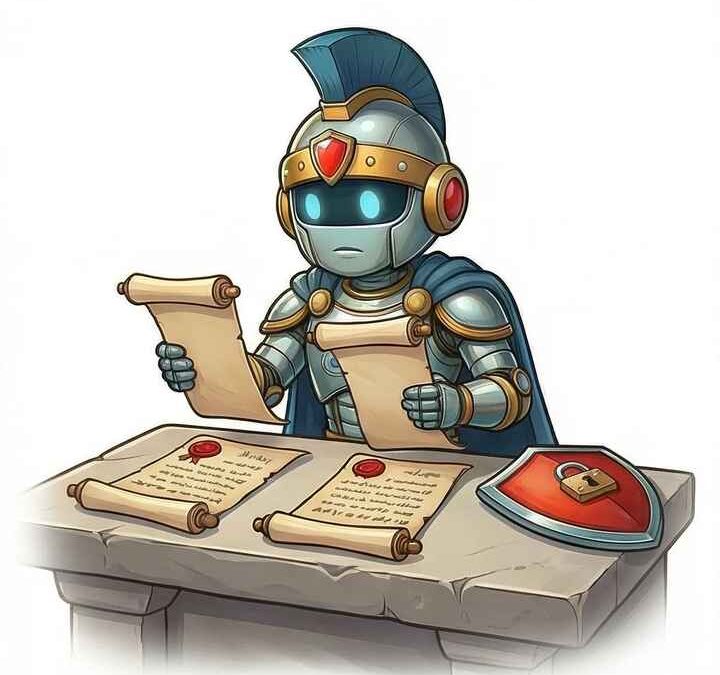
Roman Insight: “Not every message is what it seems.”
Roman Insights was created by Data Voice Options to help everyday teams recognize these patterns early. The goal is not fear. It is confidence. When users understand how deception works, they stop being easy targets.
You do not need to become a security expert. You just need to build small, repeatable habits that interrupt the attacker’s plan.
Pause. Verify. Follow process.
That is how ordinary employees become the strongest defense in the building.
Roman Insights is a proprietary educational series created by Data Voice Options.
Roman and RomanAI were built, designed, and are owned by Data Voice Options to help organizations work more securely and with less technology frustration.
Smarter habits. Safer systems. Less frustration.
Recent Comments